
Lesson 6 - Maintenance
This lesson discusses the necessary components of a successful brewery maintenance programme and provides details on approach, implementation, execution, and business-level relationships.
The True Cost of Assets
When contemplating the purchase of a new item for your home, such as a television, what do you consider? Is it only the purchase price as published online or at the store, or do you consider other potential costs such as the electricity it will take to run, how much it will cost to repair (if even possible), and the inevitable cost of proper disposal? A process exists which can help us evaluate potential assets before we purchase them. This is known as life cycle cost analysis (LCCA). To complete this process, we use a valuable model called the total cost of ownership (TCO). The example below illustrates this.
A simple model of total cost of ownership is as follows:
TCO = Initial Cost + Installation + Operation + Maintenance + Disposal
Initial cost of the asset – simple and straightforward to quantify, this is the price you paid to purchase the item, which may also include taxes and freight. This is frequently the smallest portion of the cost of ownership.
Installation cost – these are one-time costs associated with infrastructure needed to support the asset, including integration into your existing systems and utilities, commissioning, training, and even a set of spare parts.
Operation cost – ongoing costs associated with using the asset for production, these account for resources spent on labour, energy to run the equipment, scrap, waste, and emissions disposal and any training required due to system changes or upgrades.
Maintenance cost – similar to the cost of operation, this category encompasses the labour used to keep the asset running, spare parts used, consumables such as oils, belts, fuses, etc., and potential annual events like inspections and manufacturer service. Operational and maintenance costs generally account for the majority of the TCO.
Disposal cost – these are the costs associated with the removal and proper disposal of the asset once it reaches the end of its usable life. Costs include its decommissioning, physical separation from the plant process and utilities, site removal, and disposal.
You can see how the initial purchase price has quickly grown into something far more substantial and involved. TCO is one of the reasons that maintenance personnel need to work closely with design, engineering, operations, and finance during the selection of a new piece of equipment, and that well-executed machine selection can have a positive influence on the brewery’s bottom line.
Here are a few simple guidelines to consider when working with operations and engineering on the selection and design of new brewery equipment:
-
Minimise the number of elements, connections, ports, etc. needed for the intended process. During design, numerous ‘what if’ scenarios can be generated that result in complicated, perhaps difficult to clean and expensive system elements that are never utilised. Be sure to balance design of what is needed for the moment with some flexibility for future needs.
-
Design system components that most frequently fail or require adjustment or service to be located near ground level. Placing motors, pumps, valves, filters, and lubrication points at ground level improves the likelihood that preventative maintenance occurs and speeds breakdown repairs when they occur. Notice in the below figure how all the system’s serviceable components are accessible from the ground.
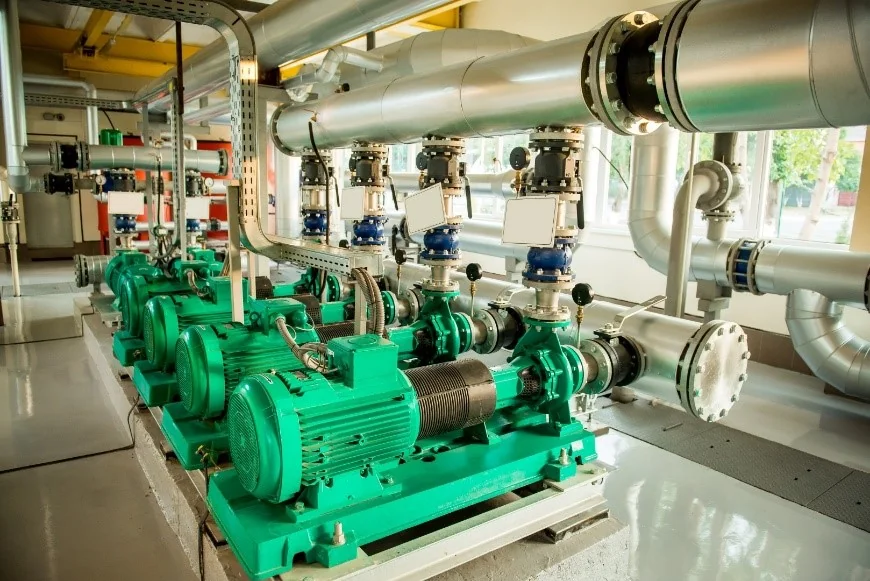
Figure: An example of well-executed design for service
Now, imagine having to quickly and safely react to a maintenance need on an intricate piping system. How would you accurately identify the correct valve? What is the direction of flow? How would you safely gain access to the work? We can do far better than this by keeping maintenance to the fore while designing brewery expansions.
- Design in system redundancy as much and as often as the budget allows. Having built-in/stand-by spares available significantly reduces any impact to operations during a breakdown. An example is having two steam condensate return pumps located near the brewhouse. When one fails, it is a quick job to switch to the standby pump and keep brews moving unaffected through the mash tun and kettle. Initial purchase and installation costs will be higher, but the operational savings over the life of the asset could recover this capital outlay.
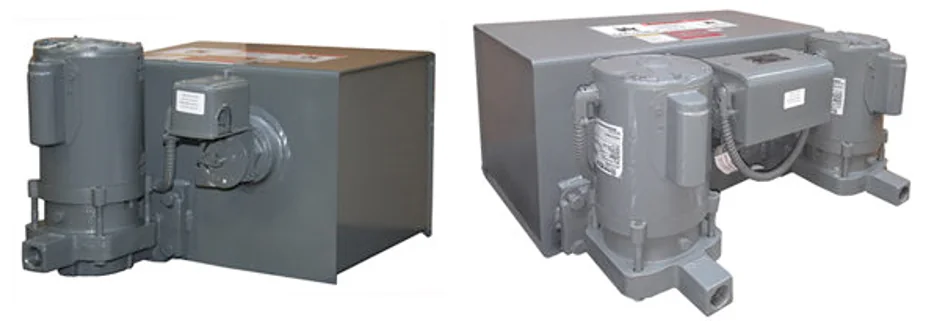
Figure: Spend wisely – both pump systems perform the same task, but the one on the right provides built-in redundancy for a modest investment
- Use standardised hardware across the brewery and use off-the-shelf components as much as possible. Nothing can challenge the pursuit of streamlining spare parts inventory and keeping operations running as much as trying to maintain several variations of the same piece of hardware. As an example, something as innocuous and prevalent as a sanitary butterfly valve can easily become a maintenance planning nightmare. Shown below are three unique valves. To properly service them, each requires its own valve seat, bushing, disc, and handle. This has a direct impact on maintenance costs. Now imagine this scenario across all other components used throughout your brewery. Standardisation is an absolute must.
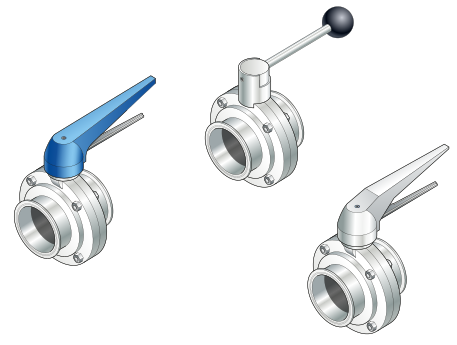
Figure: While these three valves perform the same task, having them all in the same facility will require more work to maintain
- Avoid the need for specialised technical support by selecting systems that can be serviced by in-house staff or local contractors. Owning a piece of equipment that requires someone to be flown in from overseas will incur travel costs along with substantial production downtime.
This section serves as a reminder that we as brewers need to consider the value and cost of our decisions when it comes to purchasing equipment and systems. We must not only look at the original price but be aware of all the costs from asset purchase through to its retirement.