
Lesson 4 - Adjunct Composition and Application
This lesson explores adjuncts, which are sources of fermentable extract other than malted barley. It investigates the different cereals that we can use as a starch source within the brewhouse and examines how these same cereals can produce liquid adjuncts. It also considers other sources of fermentable sugars that we can add either directly into the kettle or later in the brewing process.
Pre-gelatinised Cereal Adjuncts
Pre-gelatinised cereals are, to some extent, ‘cooked’. The heat and the moisture within the grain gelatinises the starch molecules. These products are classified according to the processes used to make them. We will start by looking at micronised cereals.
Micronised cereals
Micronised cereals are heated using infra-red radiation. Although this sounds very ‘sci-fi’, the infra-red is produced by heating ceramic tiles with a flame (or by supplying electric to a heating element). Domestic radiant gas heaters work in the same way. The benefit of this approach is that the grains are subjected to heat (260°C) for shorter periods of time than is the case with other methods. Heating the cereal material causes the water inside to evaporate, causing them to swell and sometimes pop in the same way as popcorn.
Torrefied cereals
The torrefaction process involves adjusting the grain's moisture level before passing air at around 410°C over it in a cooking chamber. After 30 to 40 seconds the cell walls of the grain are disrupted and the grain expands. As a result the density of the grain is reduced and it floats out of the chamber on the hot air. The torrefied cereal is cleaned of dust and is then cooled using ambient air. Torrefaction is a faster process than micronisation. The figure below shows torrefied wheat.
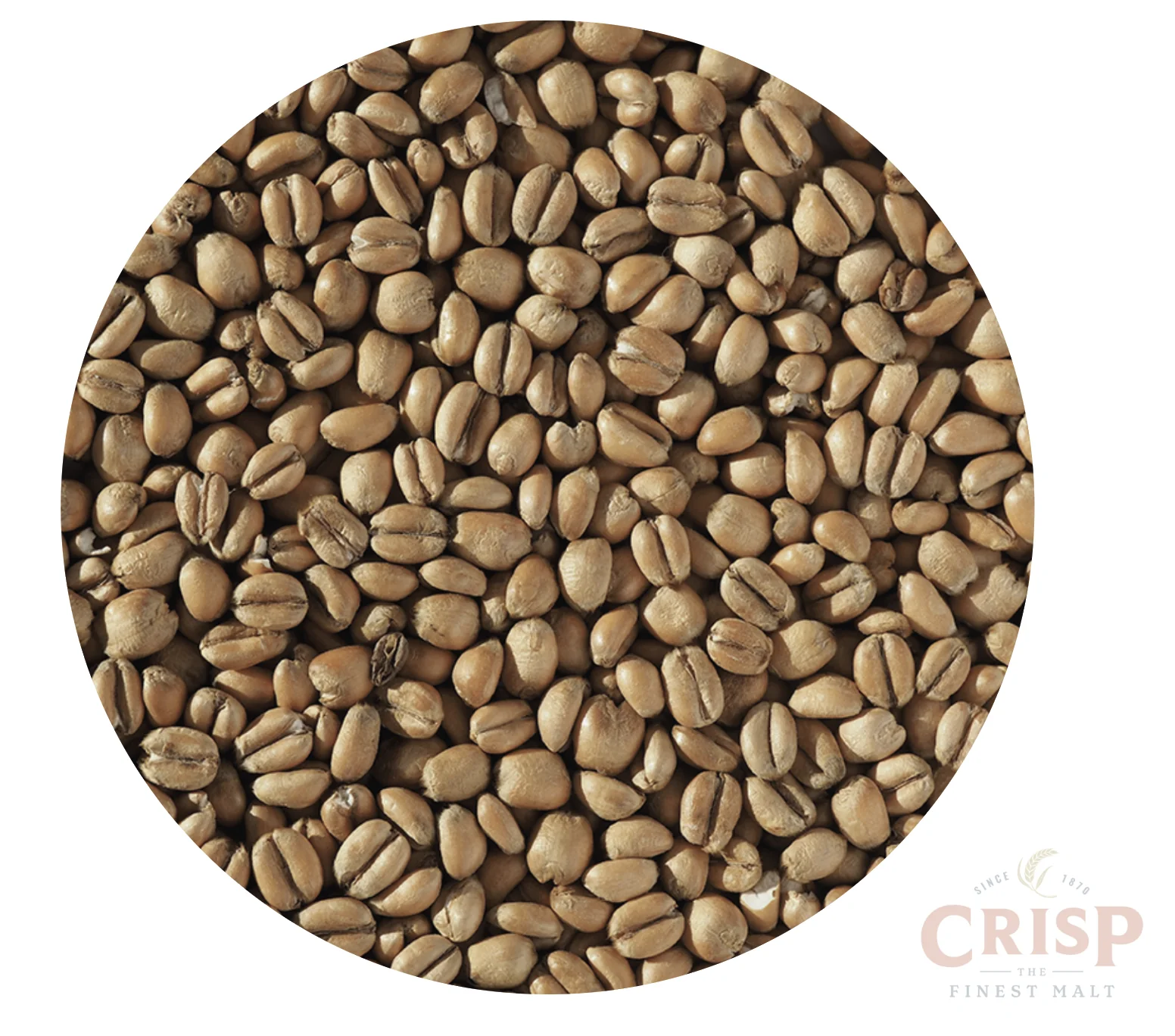
Figure: Torrefied wheat (image courtesy of Crisp Malting Group)
Flakes
Flaked products can be produced in two ways. In the original method, the cereal moisture is first adjusted to between 15-20%. It was then held in storage for 24 h. After this, it was cooked with either steam at 90-100°C for 20 min, or with steam under pressure. This moist heat not only softens the cereal, but also starts the gelatinisation process. The softened cereal was then rolled through heated rollers, kept at 85°C, and then dried by warm air (105°C). The target moisture exiting the rollers was 8-12%. This process is still used by some manufacturers today.
In the more modern method, the cereal is micronised or torrefied as above and immediately sent through the flaking rollers before cooling. The benefit of this procedure is that the cereal moisture is at 7-8%, and drying is not required. There are a range of micronised, torrefied and flaked cereals on the market. Their composition and brewing properties depend on the cereals used and the amount of processing the cereals have received before heat treatment. Pre-gelatinised maize and rice products tend to be made from grits, whereas oats, wheat, and barley are usually from whole grains. The figure below shows micronised flaked maize.
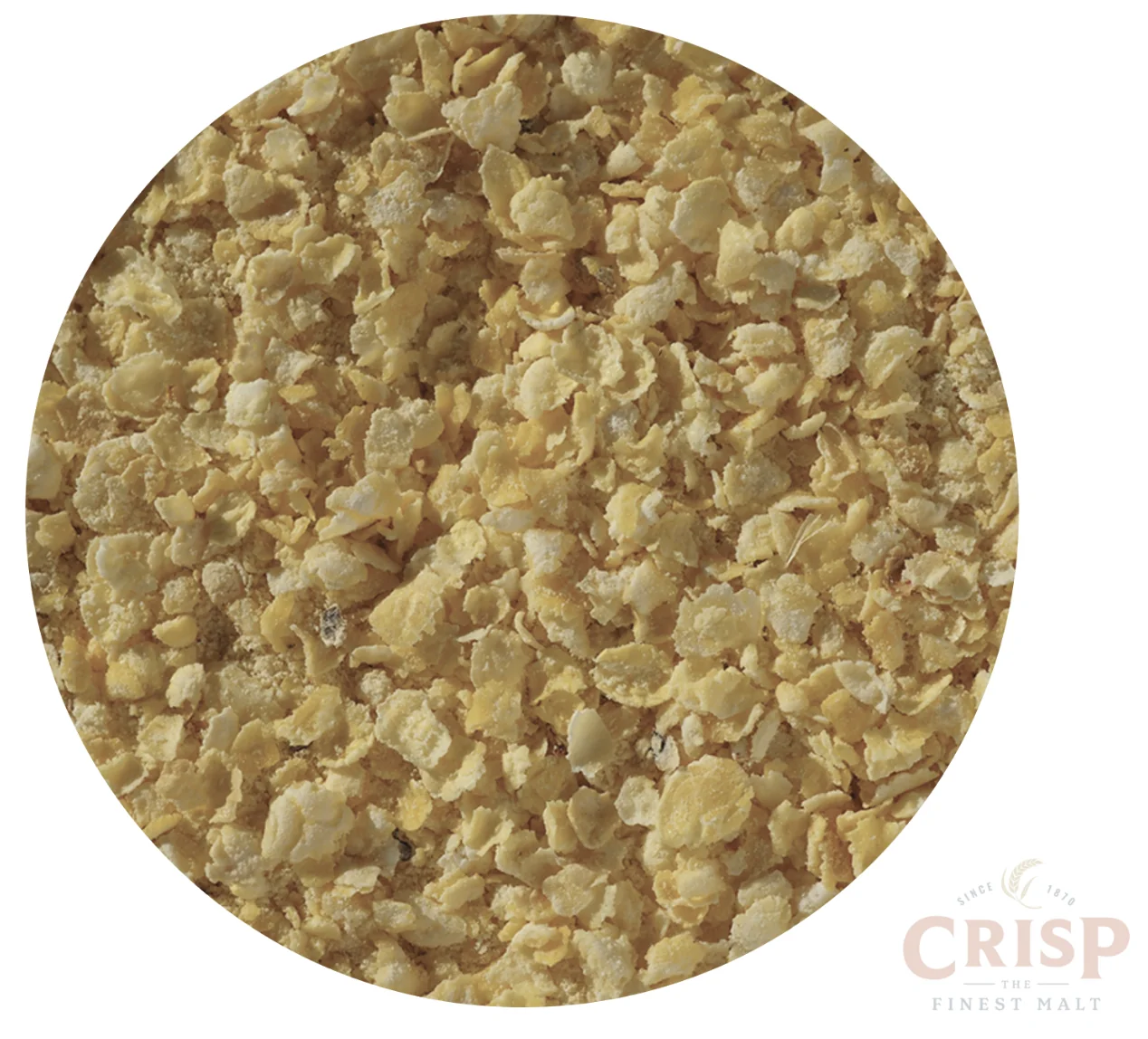
Figure: Micronised flaked maize (image courtesy of Crisp Malting Group)
Using torrefied or micronised adjuncts in your brew will add comparatively little FAN for the yeast during fermentation. Torrefied products are easier to handle due to the lower dust levels. Torrefied and micronised cereals can be milled together with malted barley.
What have we learnt about solid adjuncts?
-
They lack the enzymes with which to convert starch into fermentable sugars.
-
Flours are more hazardous to work with than malt, grits, or pre-gelatinised products. They have a higher potential to explode and to cause harm to our respiratory systems.
-
Excessive use can cause brewhouse processing issues such as slow runoff.
-
Some of their starches have high gelatinisation temperatures; they require a cooking step before they can be added to the mashing vessel.
-
Pre-gelatinised cereal is available where gelatinisation occurs through heat treatment.
-
Storing and conveying solid adjuncts often requires dedicated and sometimes specialist equipment.
-
Processing non pre-gelatinised solid adjuncts requires dedicated cooking equipment.
So, we have reviewed solid adjuncts thoroughly, let’s now turn our attention to liquid adjuncts.