
Lesson 1 - Introduction to the Beer Properties Unit
This lesson introduces the Beer Properties unit. It also includes an overview of the topics covered throughout the unit.
Topics Covered in This Unit
This unit does not require any formal pre-requisite knowledge so let us take a few moments to talk about what you will be studying. There are three lessons comprising of Foam, Haze and Beer Flavour and Stability.
The areas and subjects in this lesson will provide a brief overview of some of the topics covered in the unit. These topics will enable you to:
- Detail the physics of foam formation and collapse, including nucleation and bubble formation, beading, drainage disproportion, and coalescence. A video on disproportionation of 2-D bubbles can be found here:
- Discuss the composition, formation and measurement of lacing on the beer glass.
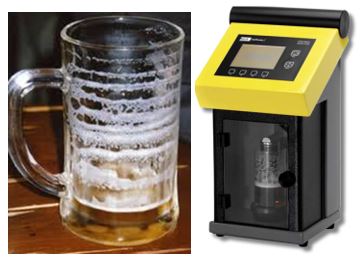
Figure: Lacing and its measurement. Nibem Cling Meter
- Discuss the foam stabilising surfactant proteins LTP1 and Protein Z4, their origins, composition, and action on foam bubbles.
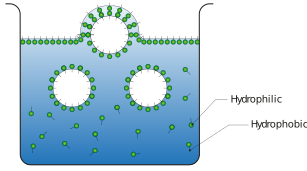
Figure. Model of surfactant protein stabilisation of foam bubbles
-
Discuss and evaluate other foam positive and negative compounds in beer:
-
Hop acids
-
β-glucans and gums
-
Cations
-
Lipids
-
Ethanol
-
Polyphenols
-
-
Discuss brewing raw materials and processing effects on beer foam. This will include, malt, adjuncts, hops and yeast and wort production and beer processing.
-
Explain the effect of common processing aids on foam.
-
Detail the composition and use of the foam promoting additive propylene glycol alginate (PGA).
-
Explain the influence of gas in beer, linking this to draught dispense.
-
Critically discuss foam measurement, both legacy and modern methods.
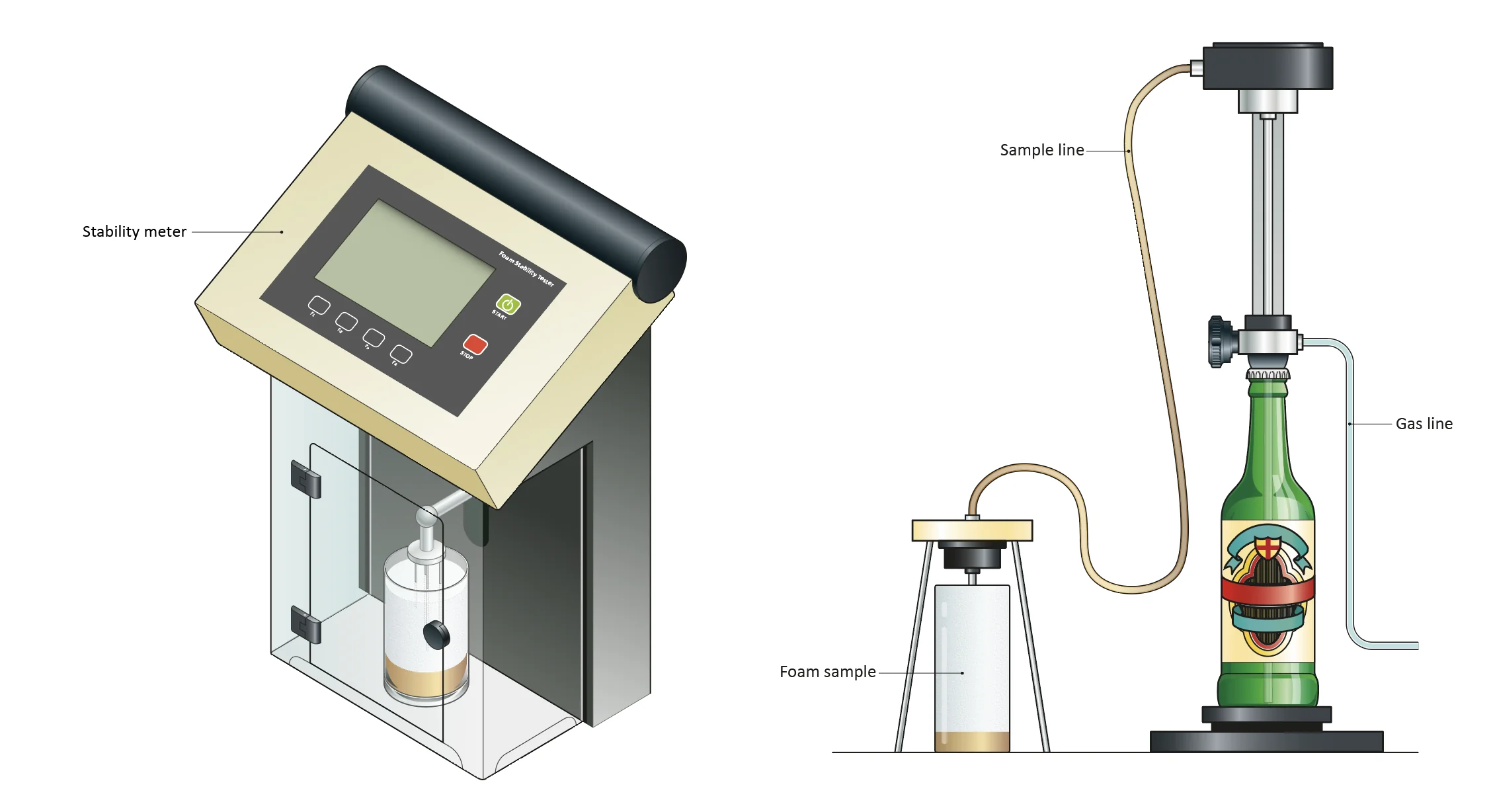
Figure 10. Nibem foam – sampling, foam flashing and measurement
-
Explain the phenomenon of gushing and list its origins and mechanism.
-
Cover primary gushing involving Fusarium moulds and secondary gushing caused by factors such as oxalate, metal ions, surfactants, isomerised hop products, diatomaceous earth, and packaging causes.
In the next lesson on Haze, the aims are to be able to:
-
Discuss the nature of hazes, biological and non-biological.
-
Describe how hazes form, detailing chill haze and its transformation to permanent haze.
-
Explain the model of protein-polyphenol interactions, and the impact of imbalance in concentration of either component.
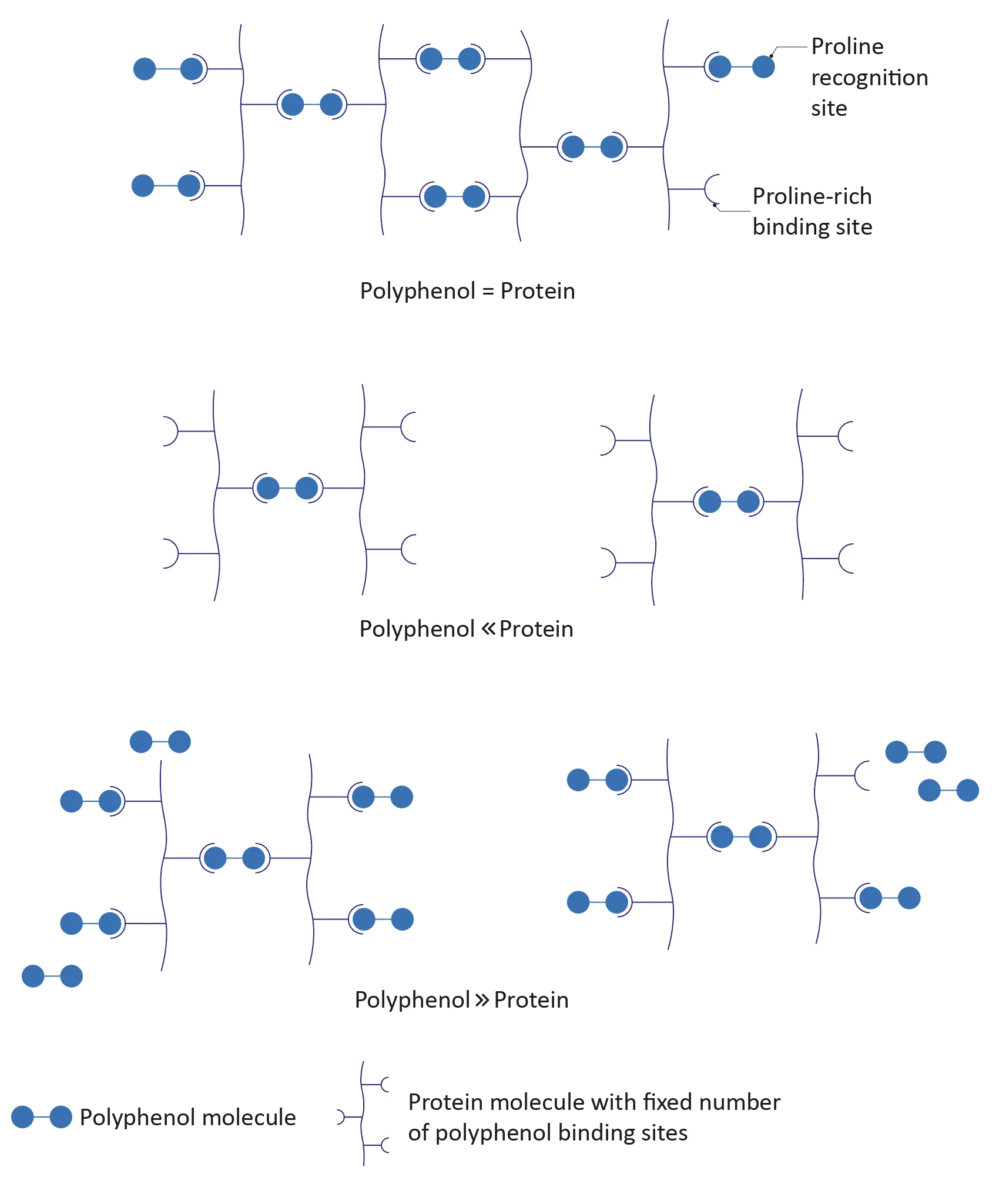
Figure: Effect of protein and polyphenol concentrations on haze formation
-
Discuss hazes from sources other than protein-polyphenol complexes, including:
- Polysaccharide hazes
- Non-polysaccharide hazes
- Oxalic acids
- Collapsed foam
- Filter materials
- Process aids
- PGA
- Metals
-
Evaluate the brewing process for its effect on haze.
-
Compare the relative merits of process aids used across the brewing process to reduce haze formation in package.
-
Discuss haze measurement, explaining principles and shortcomings.
-
Discuss prediction tests for beer colloidal stability, including normal and accelerated shelf tests, and protein and polyphenol precipitation tests.
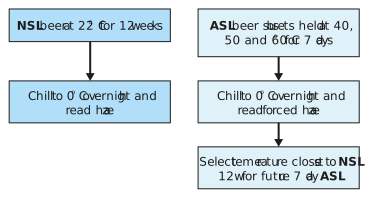
Figure. ASBC forcing test cycle determination
In the final lesson, Beer Flavour and Stability, we will show you how to:
- Describe the beer flavour wheel and its purpose.
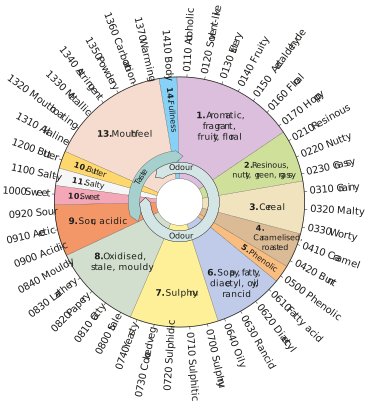
Figure: Updated flavour wheel showing tier one and tier two flavours grouped in 14 categories
-
Discuss the brewing raw materials contribution to beer flavour, including malt, hops, adjuncts, and water.
-
Explain how brewery organisms influence beer flavour, both from brewing yeast directly, as well as contaminating microorganisms.
-
Discuss the impacts of taints in beer and their origins – cleaning materials, materials in contact with beer and plant originating taints.
-
Describe the flavour changes occurring with beer ageing.
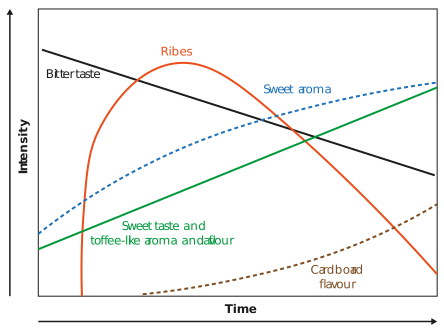
Figure: Flavour changes of packaged beer over time
-
Discuss the role of oxygen in beer staling, including its reactive species and reactions with lipids and hop acids.
-
Explain the photo-oxidation process where hop acids form the lightstruck aroma originating from light degradation.
-
Discuss use of additives to prevent staling and compare with best practice in the production process to extend flavour stability.