
Lesson 1 - Introduction to the Yeast Unit
This lesson introduces the Yeast unit. It also includes an overview of the topics covered throughout this unit.
Topics Covered in This Unit
We will now provide a brief overview of some of the topics covered in this unit. The topics are:
-
The fundamental nature of yeast, and in particular, brewing yeast
- The fine structure of yeast cells, how they grow and multiply (shown in the figure below), and their genetic make-up
- The biological explanation for why ale and lager strains are very different organisms

Figure: Process of budding in yeast
-
How yeast responds to its external environment, the range of conditions under which it can grow and survive, and what nutrients it needs
-
The methods used to maintain and handle yeast cultures
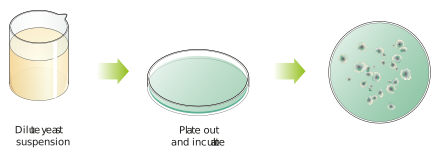
Figure: Colonies of brewing yeast grown on a nutrient medium containing the dye, Bromocresol Green
-
What we mean by yeast flocculence, the mechanisms that make flocculence happen, and its relevance to brewing fermentation
-
How brewing yeast transport carbohydrates from wort into the cells
- Which carbohydrate sources it can assimilate, those it cannot, and the order in which they are utilised
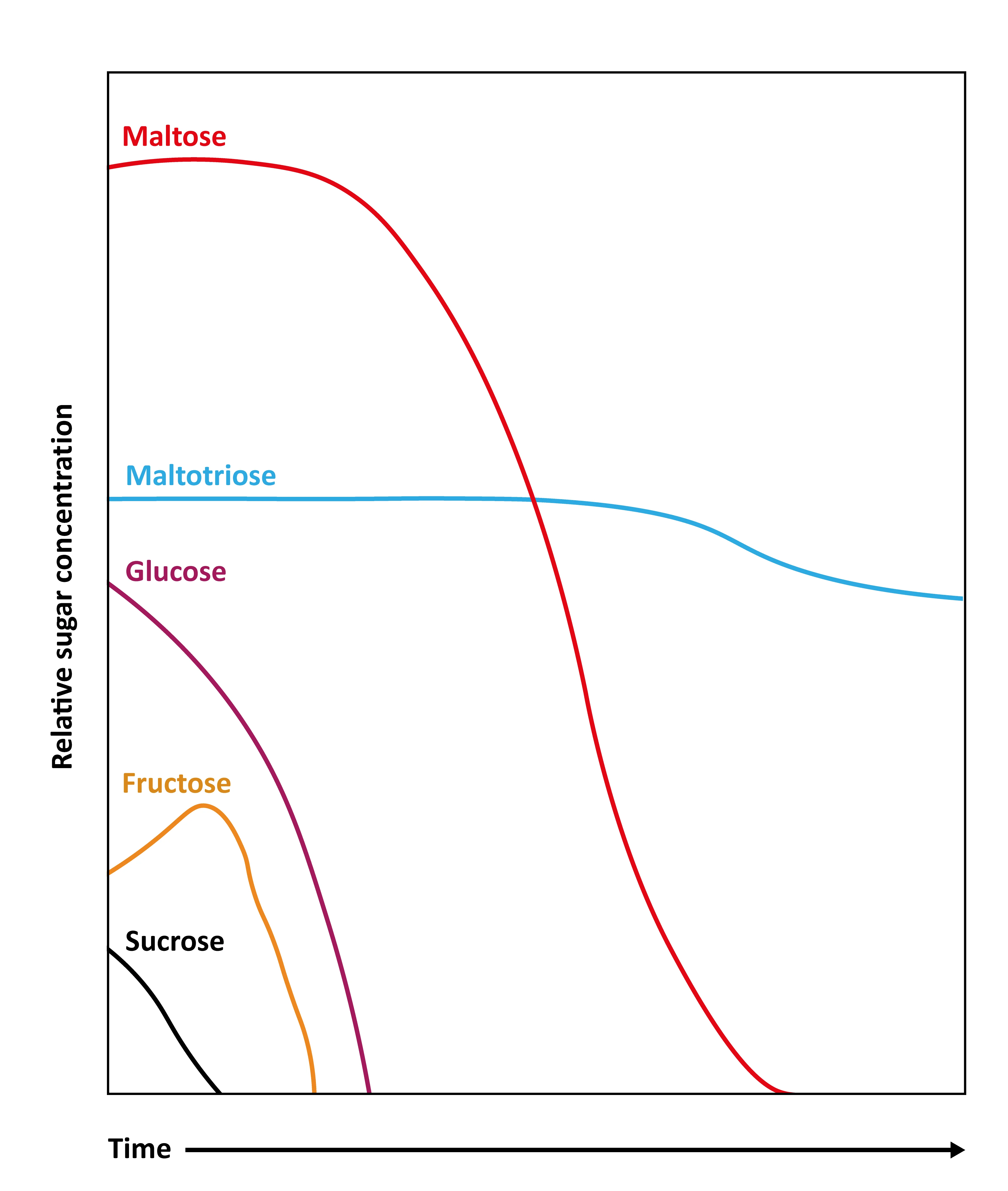
Figure: Patterns of sugar uptake by a lager yeast during fermentation
-
The major biochemical pathways that yeast uses to metabolise fermentable sugars, and how these pathways generate and conserve energy, as well as provide carbon skeletons for new growth
-
How the metabolism of brewing yeast is regulated by the availability of sugar and oxygen, and the mechanisms that explain the consequences of respiratory and fermentative growth
-
How the consequences of a repressed metabolism help to explain why important groups of yeast-derived beer flavour compounds are produced during fermentation
-
How yeast retains a proportion of the sugars it assimilates in fermentation, in the form of storage carbohydrate, and why these are vital for cells to survive and prosper in the brewing process
-
Why some brewers choose to make beer using spontaneous fermentations and mixed cultures, but most opt for a single pure yeast strain
-
The brewery yeast cycle in which yeast is serially re-pitched a number of times and why this in turn requires us to use a propagation process
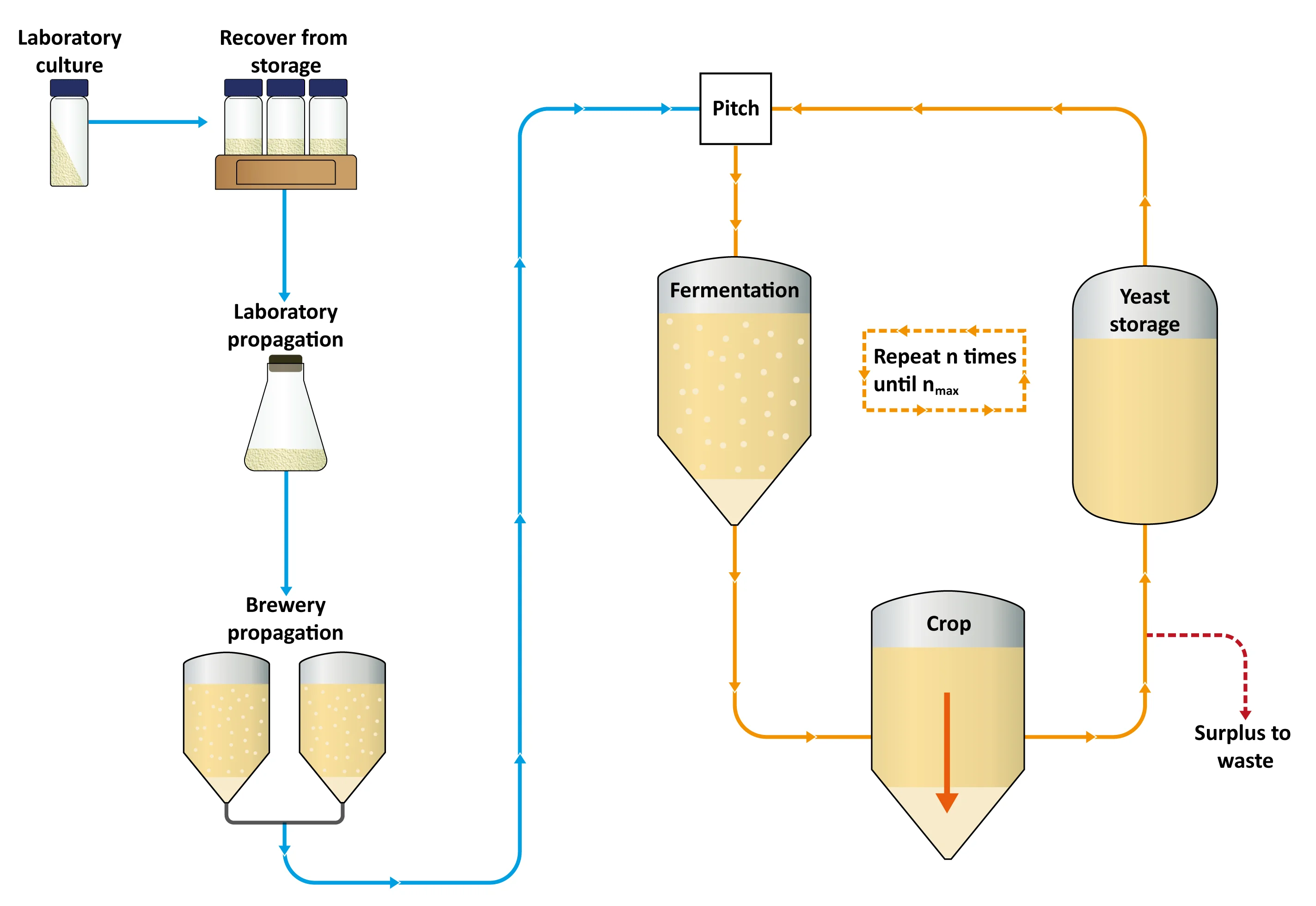
Figure: The brewery yeast cycle
-
Why we should usually limit the number of times that we re-pitch yeast to three
-
The methods used for long term storage of brewing yeast cultures and how they are recovered, quality assured and controlled, and used to generate new laboratory working cultures ready for propagation
-
The methods and equipment used to propagate yeast cultures both in the laboratory and brewery
-
The theoretical aspects of the importance of oxygen in yeast propagation and a description of how equipment must be designed to ensure that sufficient amounts of oxygen are always available to the growing cells
-
The concepts of yeast viability and vitality and how we use them to assess yeast’s fitness-for-use
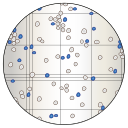
Figure: Yeast cells stained with methylene blue: dead cells stain blue, live cells are unstained and appear colourless with a dark border
-
The methods used to quantify yeast concentration and how these methods are used at different stages within the brewing process
-
Why it is necessary to store yeast in the brewery and the rules we must follow to ensure its survival and guarantee its fitness-for-purpose
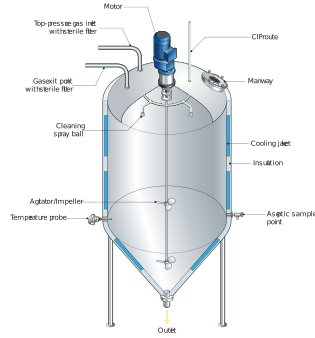
Figure: Storage vessel for suitable for pitching yeast slurry
-
The concept of yeast pitching rate, and the various methods used to control it
-
How yeast is cropped from fermenters of different designs and the consequences of using yeast strains with differing cropping behaviours
-
The requirements of processes used to disinfect pitching yeast via acid washing