
Lesson 1 - Introduction to Materials of Construction
This lesson introduces the Materials of Construction Unit. It also contains a brief overview of the topics that you will study in the forthcoming unit.
Topics Covered in This Unit
This unit does not require any formal pre-requisite knowledge but that does not mean starting with a blank slate. We are all exposed to materials of construction in our day-to-day lives. We make simple choices like whether we have plastic or stainless steel cutlery or store our left-overs in a glass, foil, or plastic dish. These choices come down to our views on the properties of those materials. How expensive it is or whether it can go in the microwave or dishwasher are factors we base our decisions on without thinking about it.
We will now provide a brief overview of some of the topics covered in this unit. These topics will:
- Provide a framework for the classification of materials. Materials are diverse and having a structure to pin them to makes it easier to understand how they all fit together.
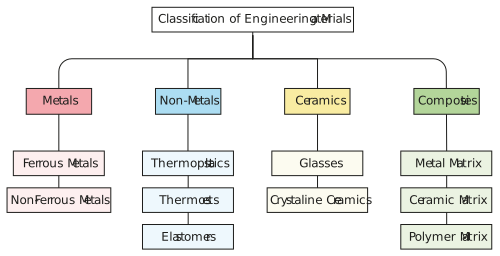
Figure: Classification of materials
- Provide an understanding of different material properties so that we can apply them to the appropriate materials.
Table: Properties of materials
|
Property |
Example Descriptors |
|
Mechanical |
stiffness, strength, ductility, brittleness, hardness, toughness |
|
Physical |
density, electrical and thermal conductivity, porosity, permeability, texture (roughness) |
|
Chemical |
corrosion resistance in various environments, toxicity, inertness |
|
Manufacturing |
weldability, formability, machinability, ease of joining |
|
Economic |
price, expected lifespan, maintenance requirements, recycling possibilities |
- Provide an overview of the two main material enemies – the corrosion of metal and the degradation of plastics.
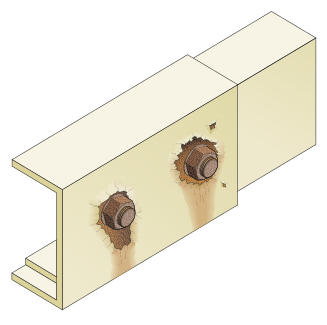
Figure: Corrosion of steel
- Provide an understanding of welding and how it impacts different metals.
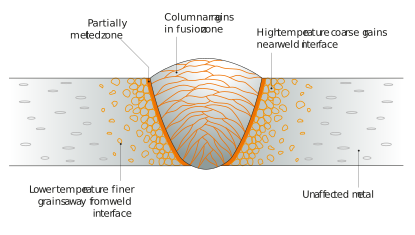
Figure: Inside the weld zone
- Provide an outline of the advantages and disadvantages of the materials most commonly used in the brewery.
- Provide the ability to recommend the best materials for different applications based on the properties required.
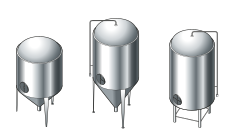
Figure: Stainless steel brewing vessels
- Provide an insight into the importance of hygienic design.
- Highlight the importance of hygiene organisations and how they can be utilised within brewery operations.
- Expose the principles of hygienic design and provide the tools to ensure that the plant is hygienically designed.

Figure: Unacceptable and ideal welds