
Lesson 1 - Introduction to Resource Management
This lesson introduces the Resource Management unit. It also contains a brief overview of the topics that you will study in the forthcoming unit.
Topics Covered in this Unit
The Resource Management unit is arguably the most diverse and interesting within the whole of module three. By studying the disciplines of environment and sustainability, health and safety, and maintenance, you will learn how to keep your colleagues, visitors to the site, and even the planet safe. You will also learn that the way we look after our process assets and resources can benefit our organisations and the product we make.
We will now provide a brief overview of some of the topics covered in this unit.
Environmental Sustainability
In this lesson we will:
-
Develop an insight into the tools and techniques used to manage the natural resources, energy, and carbon footprint of our business.

Figure: The greenhouse effect helps to maintain the earth’s temperature
-
Learn how to set targets and goals and to review our progress towards them.
-
Learn about what sustainability means to us as drinks producers, as well as to humankind.
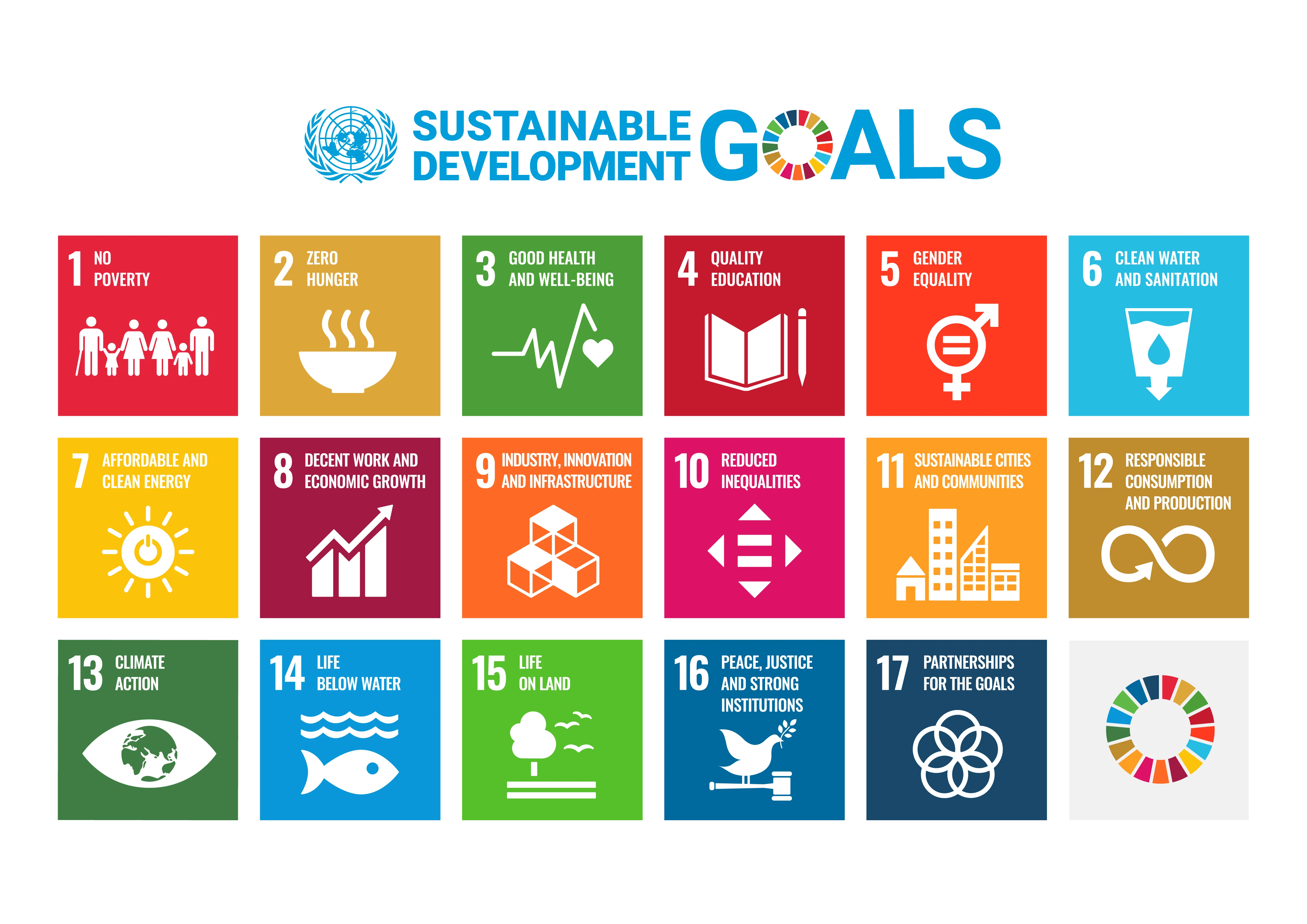
Figure: The UN 17 Sustainable development goals
-
Discover what we need to do to manage our water use in areas of water scarcity.
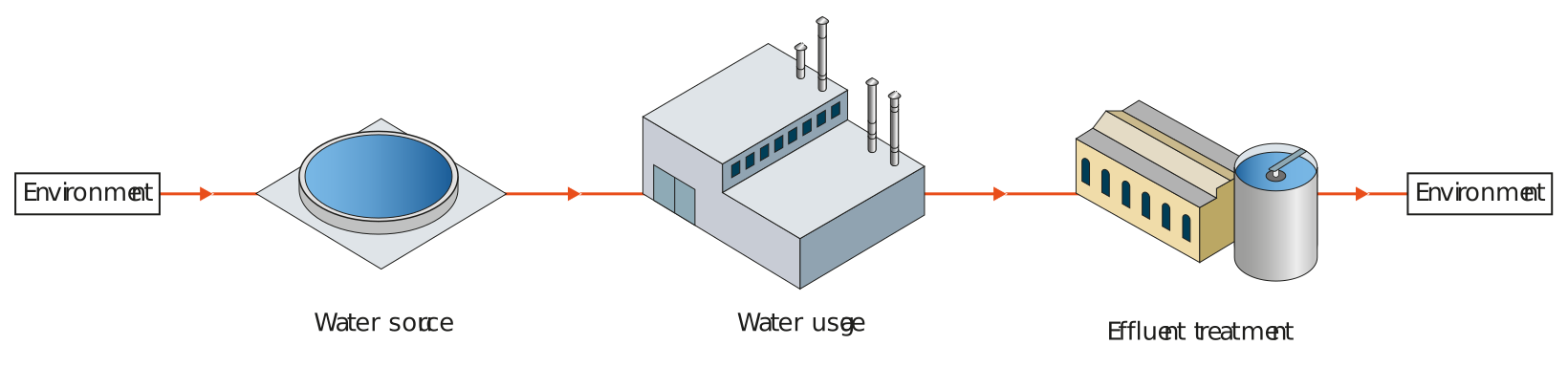
Figure: Typical water supply chain from and to the environment
-
Learn about Pareto analysis which is based on the Pareto principle.
The Pareto principle is also known as the 80/20 rule or the law of the vital few. It states that, for many events, roughly 80% of the effects come from 20% of the causes.
-
Understand how to deal with the wastes produced by our operations. The waste management hierarchy is explained below.
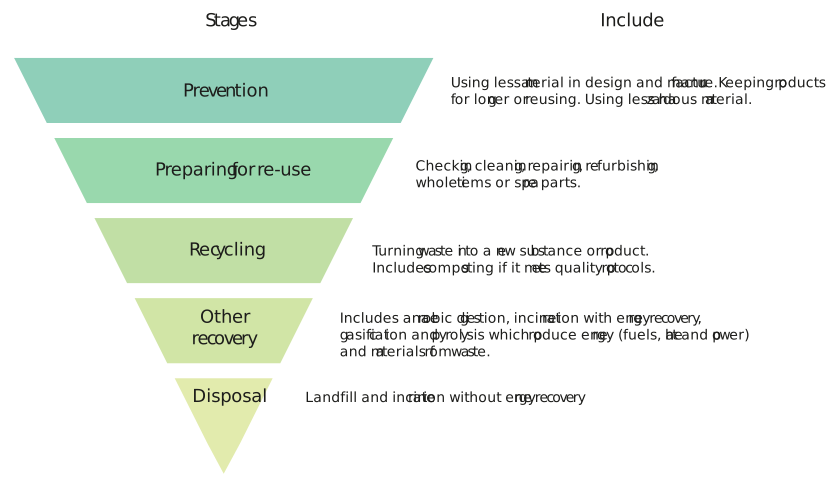
Figure: The waste hierarchy
Health and Safety
In this lesson we will:
-
Identify and prioritise hazards in the workplace and the controls we can put in place to prevent them from causing harm.
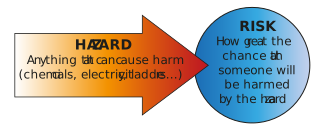
Figure: The difference between a hazard and a risk
Health and safety (H&S) management makes good business sense and is morally the right thing to do. One serious injury is one too many.
-
An example of how this is applied, using the Plan Do Check Act principles in the context of health and safety, is shown below:
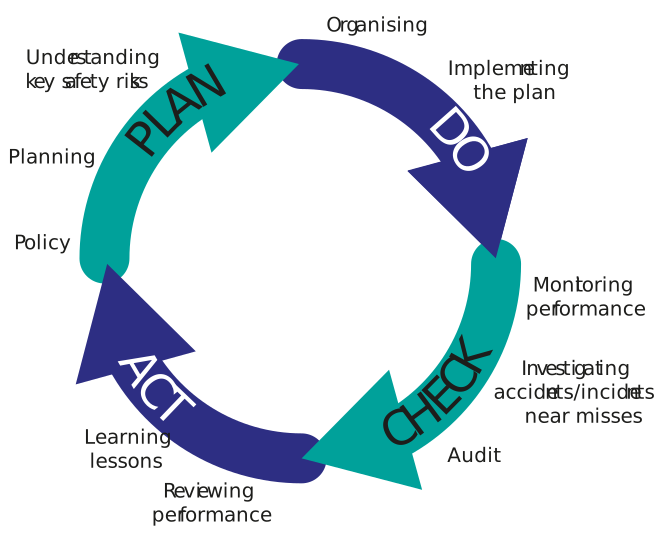
Figure: The Plan Do Check Act management model as applied to H&S
-
Discover the key risks and hazards which affect our industry, the measures we must use to minimise them, and the legislation that applies to them.
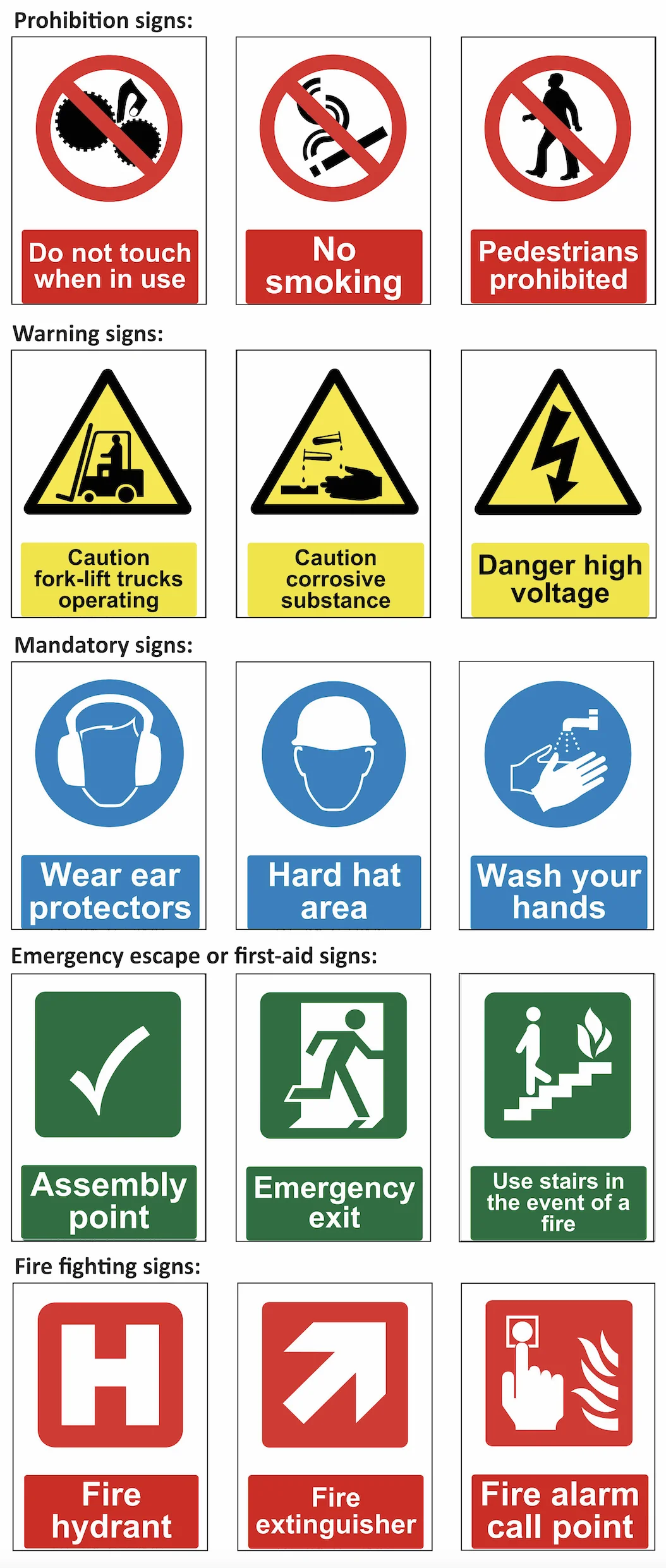
Figure: Examples of different types of safety signs, based on Health and Safety (Signs and Signals Regulations) 1996 for the UK
Maintenance
In this lesson we will:
-
Discover how maintenance contributes to a successful business and how we must adopt the right approach for how we operate.

Figure: A ‘no maintenance’ approach can lead you down a challenging path
- Discuss the approaches to maintenance, identifying their strengths and weaknesses and how each approach is best applied.
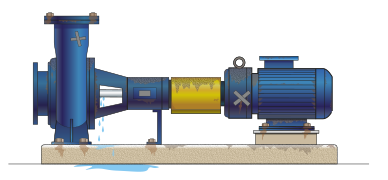
Figure: This pump has become victim to the Run-To-Failure approach
-
Consider the financial impact of maintenance and introduce the concept of total cost of ownership.
A simple model of total cost of ownership is:
TCO = Initial Cost + Installation + Operation + Maintenance + Disposal
-
Discuss how designing a new plant for ease of maintenance can improve the efficiency and the effectiveness of operations.
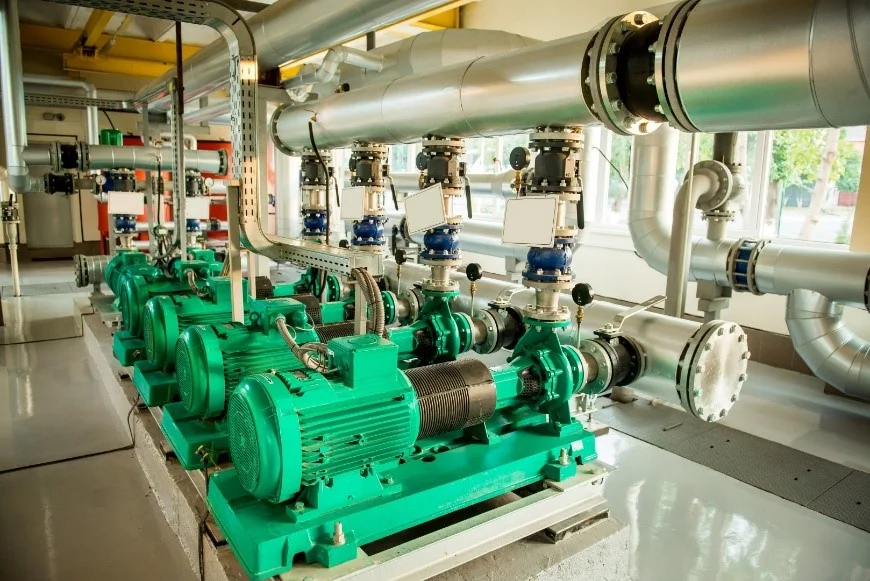
Figure: An example of a well-executed design for service