
Lesson 1 - Quality Management Introduction
This lesson introduces the Quality Management Unit. It also provides a summary of what we are going to cover in the Quality Management unit.
What You Will Study in the Quality Management Unit
This section provides an overview of what we are going to learn in the Quality Management Unit. This is what we are going to cover:
-
How ‘quality’ is defined in management science and how this definition applies to beer and brewing.
-
The history of quality management – how quality management evolved over 700 years from medieval guilds of craftspeople to formal quality management systems like ISO 9001.
-
How Quality Control (QC) and Quality Assurance (QA) are different but complementary approaches to the same goal.
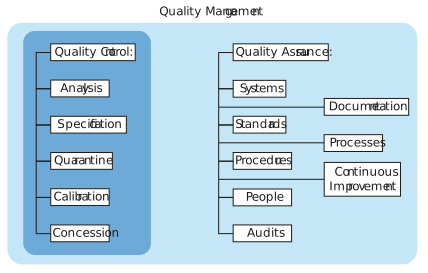
Figure: The relationship between quality control and quality assurance
-
What constitutes both a formal and informal Quality Management System (QMS).
-
How continuous improvement and the Plan – Do – Check – Act cycle are key parts of both QA and a formal QMS.
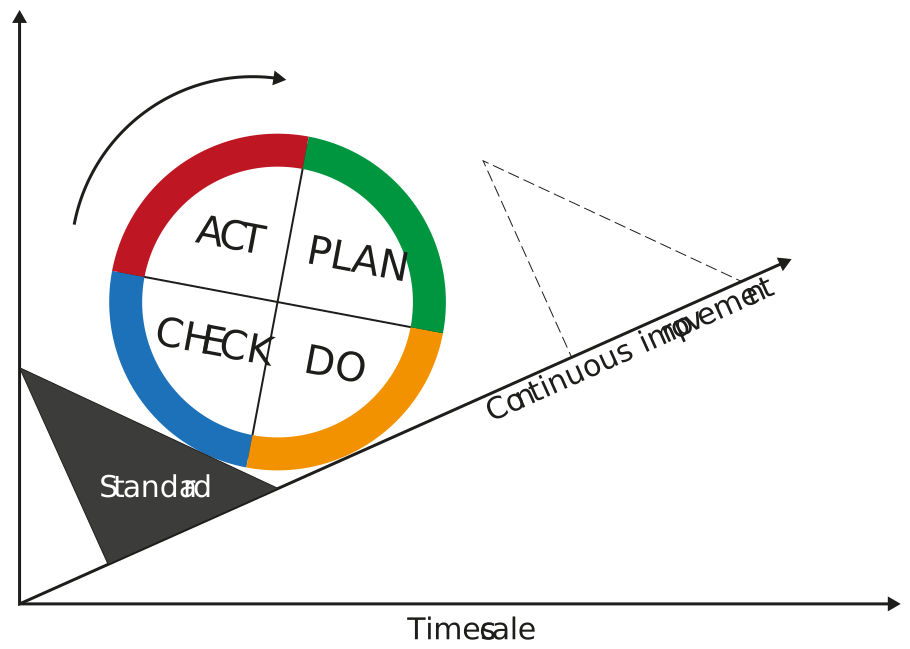
Figure: Plan – Do – Check – Act and continuous improvement
-
The components of the most popular QMS ISO 9001.
-
The tools that we can use to improve quality like Six Sigma and quality awards.
Did you know Six Sigma comes from a level of performance for a process? If we brew to a Six Sigma standard there would only be a problem with around one in 300,000 brews. For most brewers, that would mean they never experienced a quality problem in their career!
-
The hazards that can make beer unsafe to consume and the means by which we prevent them ever occurring in beer.
-
How to implement HACCP in your brewery and check it is doing its job.
-
How we protect our beer from adulteration and sabotage in the brewery and wider supply chain.
-
How we undertake over 40 different laboratory analyses that cover the aspects of beer and wort which are key to quality.
-
How we determine the accuracy and precision of an analytical process, and how accuracy and precision are not the same thing (see the accuracy and precision of the shooter aiming at the targets in the figure below).
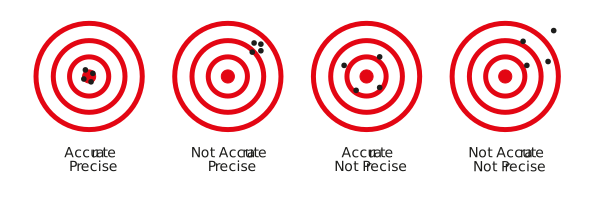
Figure: Accuracy and precision
-
How we set realistic specifications for parameters important to quality.
-
How we calculate the standard deviation, mean, and z-score for a set of analytical data.
-
How labs are accredited as competent to complete analyses and how they collaborate to check how good they are compared to their peers.
-
How our bodies change chemicals in our beer into the experience of enjoying a beer.
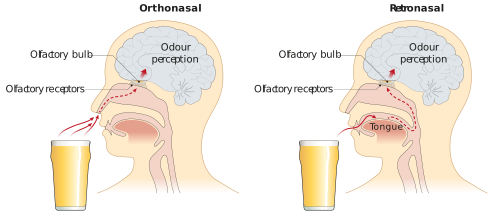
Figure: How aroma is detected
-
How we design our tasting facilities to make sensory analysis objective and free of bias.
-
How we select the (nearly) perfect taster for each type of sensory test.
-
What difference tests are available and how we perform them.
-
How we transform the way a beer tastes into a set of reliable data through descriptive sensory tests.
-
Other tests which help us understand and control beer flavour like trueness-to-type and ranking tests.
-
How we turn the data from sensory analysis into helpful information and present this to stakeholders.
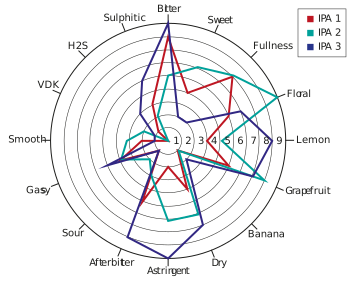
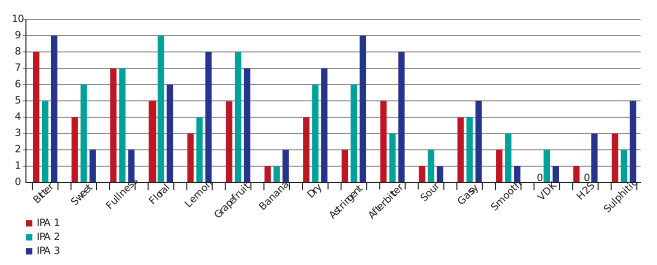
Figure: Two graphs of the flavour profiles of three IPAs
-
How we make flavour standards for key flavours and use them in training sensory assessors.